House Won’t Cool Below 80: Low R-22 Charge on a 26-Year-Old AC in Las Vegas

When your house won’t get below 80 on a hot afternoon, the AC is losing the fight with the heat, and low refrigerant is one of the most common reasons. A dirty or failing outdoor unit, a clogged filter, and hot attic ducts are the next things to check. We saw this on August 25, 2026, in a Las Vegas home in the 89113 ZIP: the homeowner keeps the thermostat at 80, but the house was running around 87 at night. The 26-year-old system was very low on R-22 refrigerant, and the homeowner chose a refrigerant refill as a short-term fix.

House Won't Cool Below 80: Low R-22 Charge on a 26-Year-Old AC in Las Vegas

What We Found

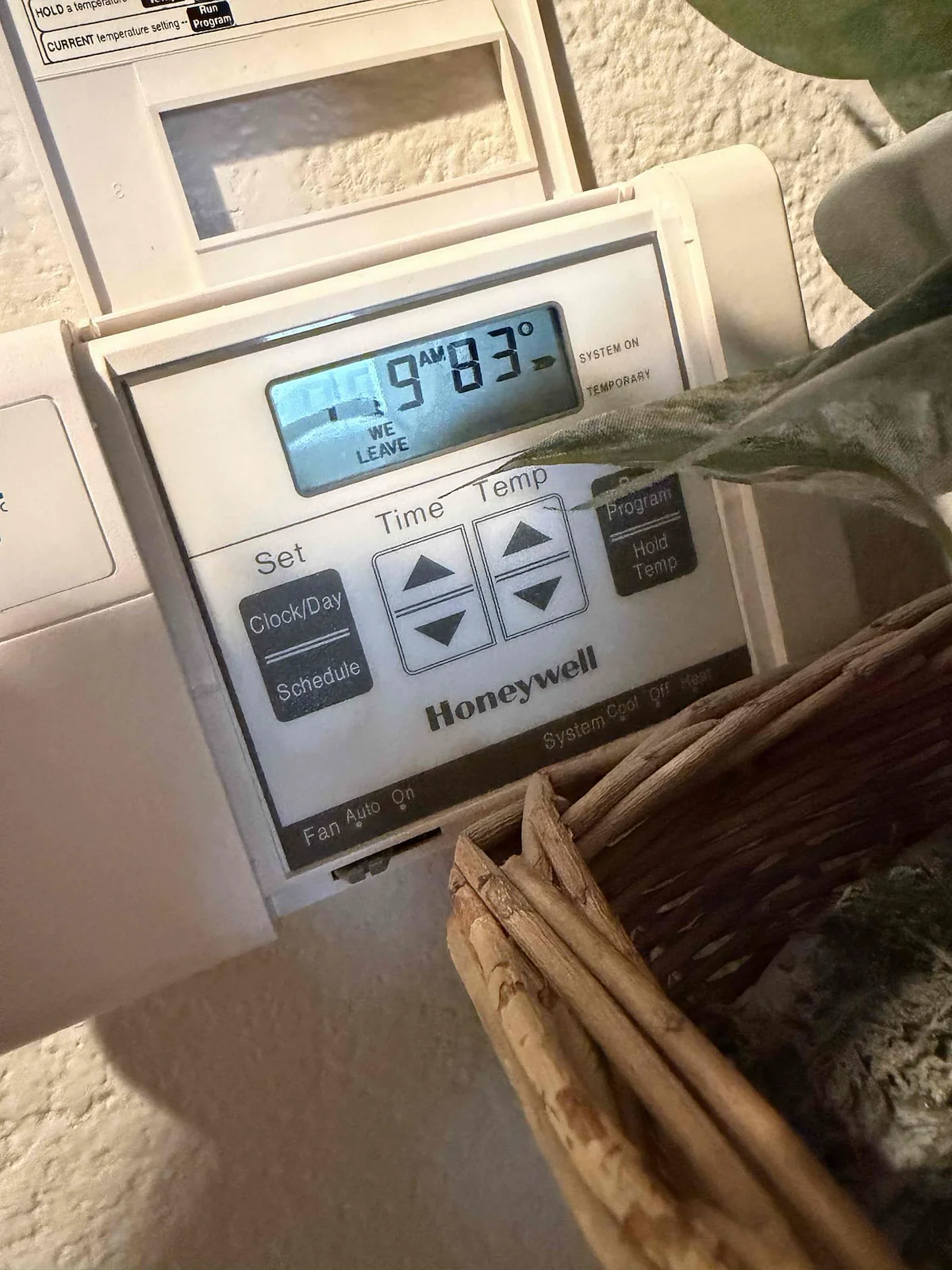
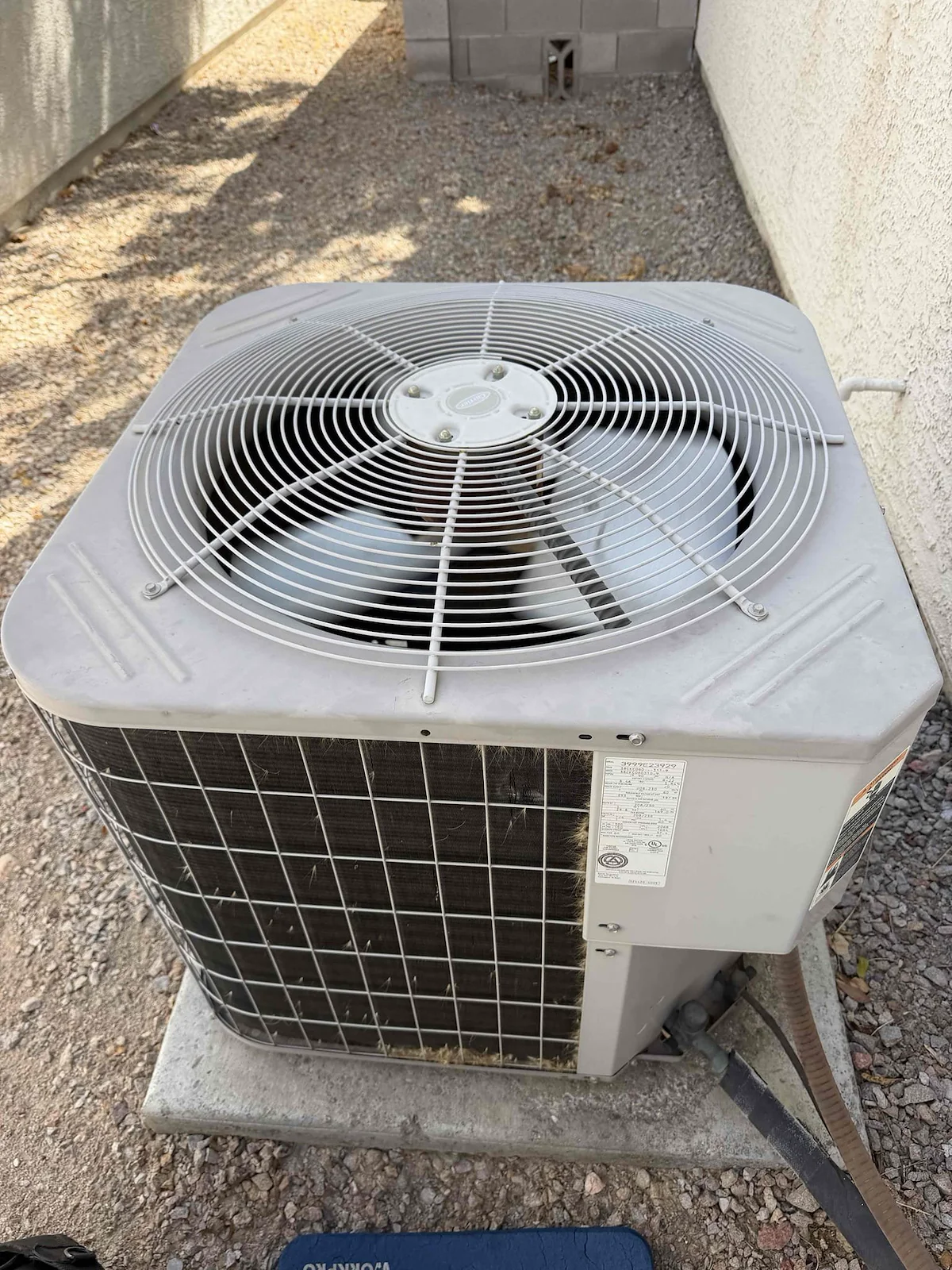
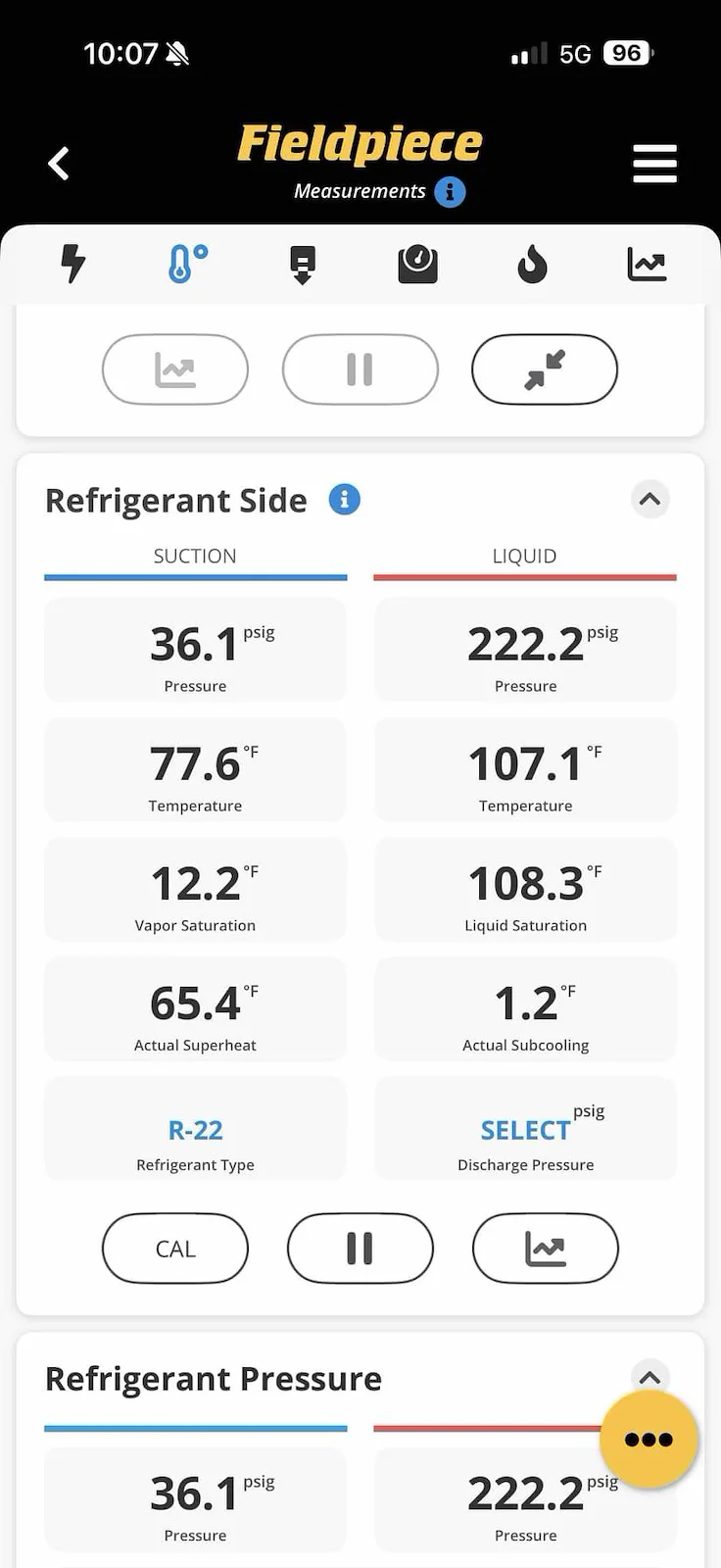
The thermostat read 83 at 9 a.m. on the day of our visit. At the outdoor unit, a Carrier, our digital gauges confirmed the system runs on R-22 and showed a suction pressure of about 36 psi with very high superheat. Those readings point to a very low refrigerant charge, so the indoor coil can’t absorb enough heat to keep the house at 80.

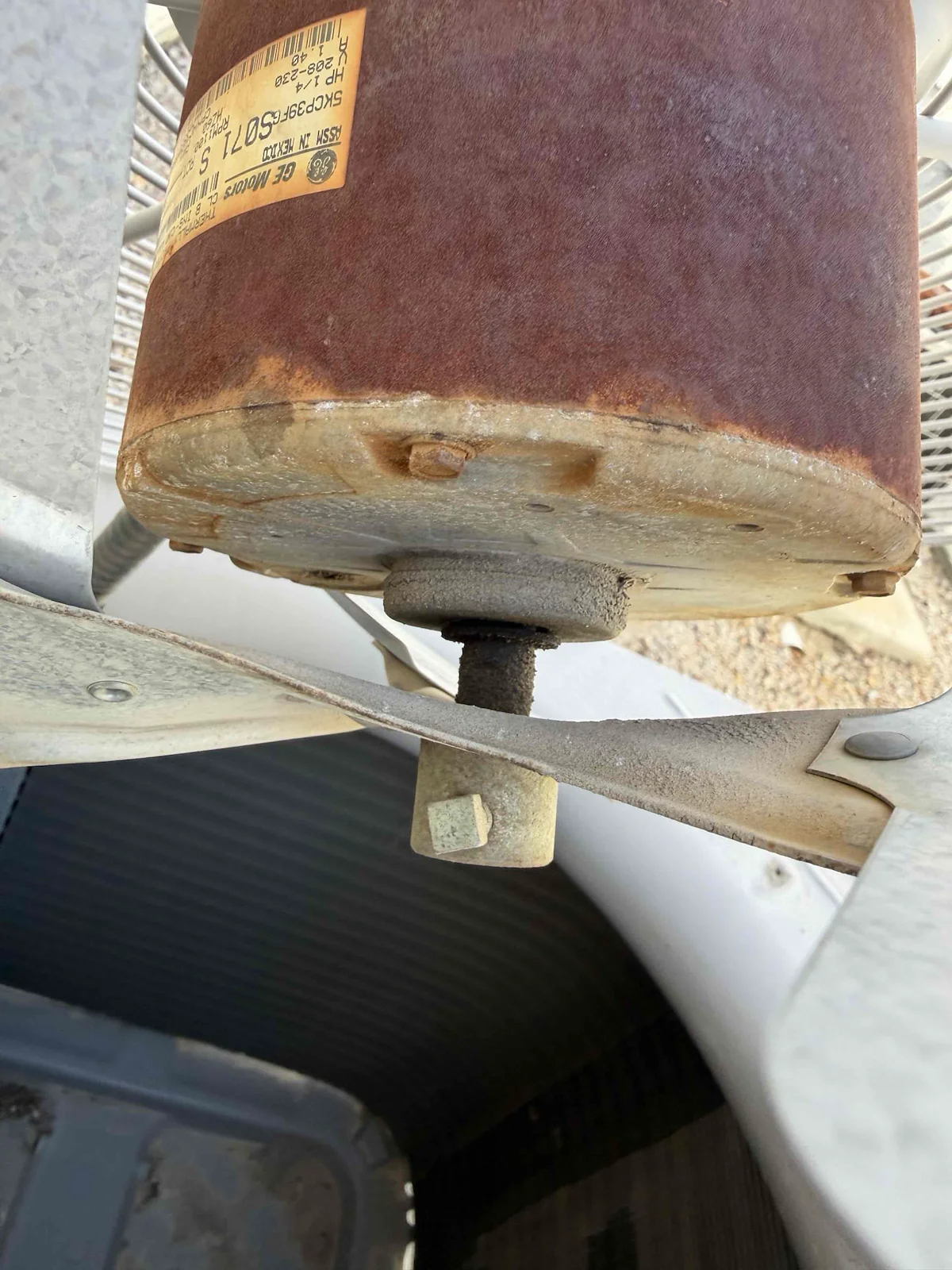
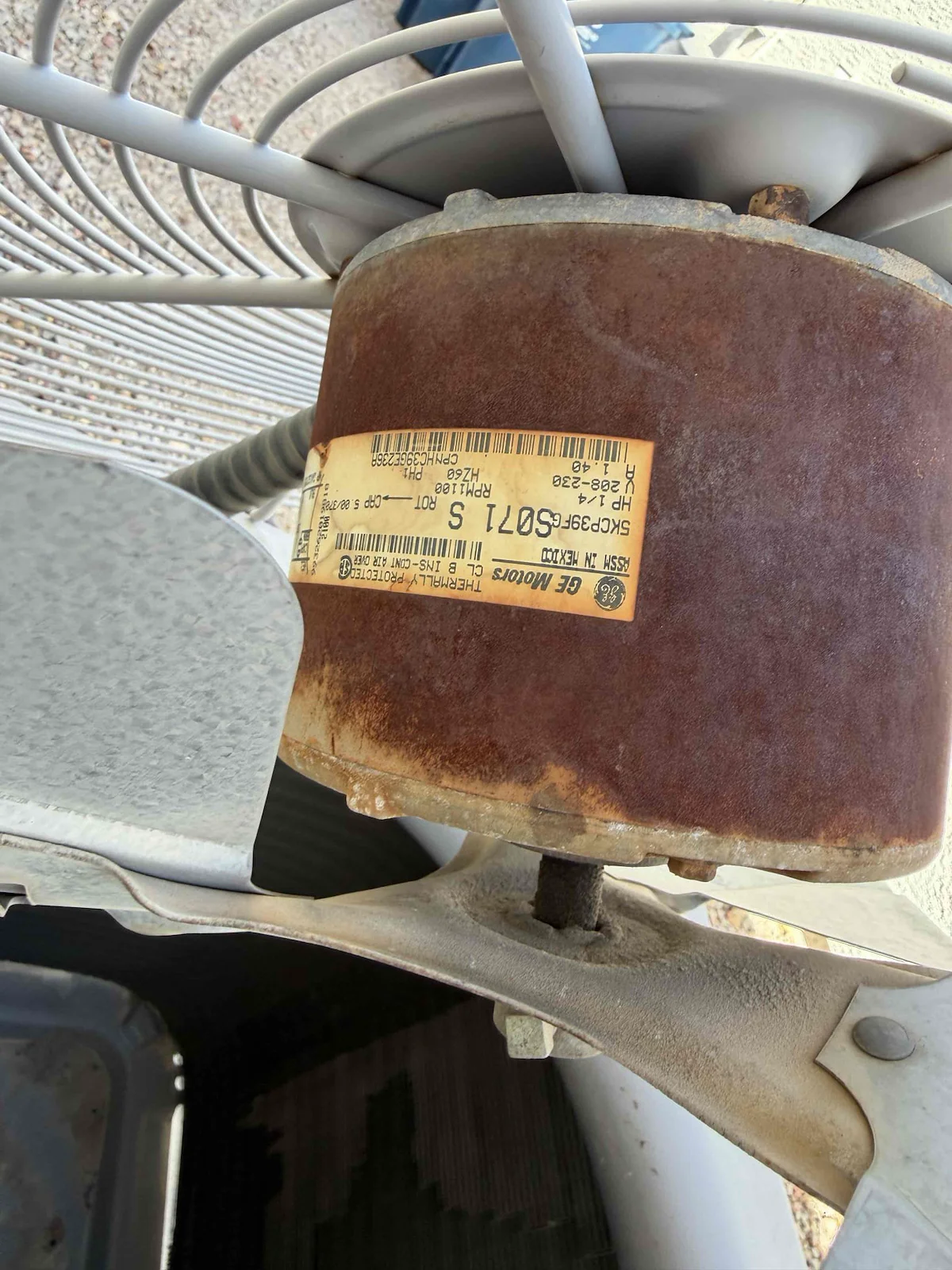
We also found the outdoor fan motor heavily rusted. That motor moves air across the outdoor coil, and an aging one is a common next failure on a system this old.

How We Fixed It

  • Connected gauges and confirmed the refrigerant type and charge level.
  • Walked the homeowner through three paths: a refrigerant refill, a leak search and repair, or a full system replacement.
  • At the homeowner’s choice, refilled the R-22 charge as a stopgap. A refill without a leak repair carries no warranty, since the leak is still there.

How it turned out

The system got its charge back for now. Because refrigerant only goes low when it leaks out, the charge will drop again, and the homeowner has written estimates for a leak repair or a replacement when the timing is right.

Why won’t my AC cool below 80 in the afternoon?

A healthy, properly sized system should hold your setting on most summer afternoons, even if it runs long. When it can’t, the usual causes are low refrigerant, a dirty outdoor coil, a weak fan motor or capacitor, a clogged filter, or leaky ducts in a hot attic. Our page on an AC that isn’t cooling well walks through each one.

Is adding refrigerant a real fix?

It’s a short-term one. An AC doesn’t use refrigerant up, so a low charge means a leak. R-22 was phased out of production in 2020, which makes it scarce and expensive to keep topping off. Our leak repair write-up covers when finding the leak makes sense.

Should I repair or replace a 26-year-old AC?

At that age, with an R-22 leak and worn outdoor parts, most homeowners compare one more repair against the cost of a new system. See when a full system replacement makes sense.

Expert insight

“Refrigerant only runs low when it leaks out. On an older R-22 system we lay out three paths: a refill, finding and fixing the leak, or a replacement. A refill is a stopgap, and we say so. The charge will drop again, so we leave written estimates for the long-term fix.”
Fred Prandecki, Co-owner at Bob's Repair
Fred PrandeckiCo-owner

Safety note: HVAC repairs involve high voltage, refrigerant and, on gas furnaces, combustion gases. Leave them to a licensed technician.

Team of Bob's Repair technicians in Paradise, NV, performing maintenance on outdoor AC units to extend their lifespan, set against the backdrop of a local home and a palm tree.

Why Bob's Repair

3,000+Google reviews across our offices

Licensed in NevadaNV license 0085640 | 0088730

4 officesacross the Las Vegas valley

Open 7 daysa week

Chat with Bob's Repair